
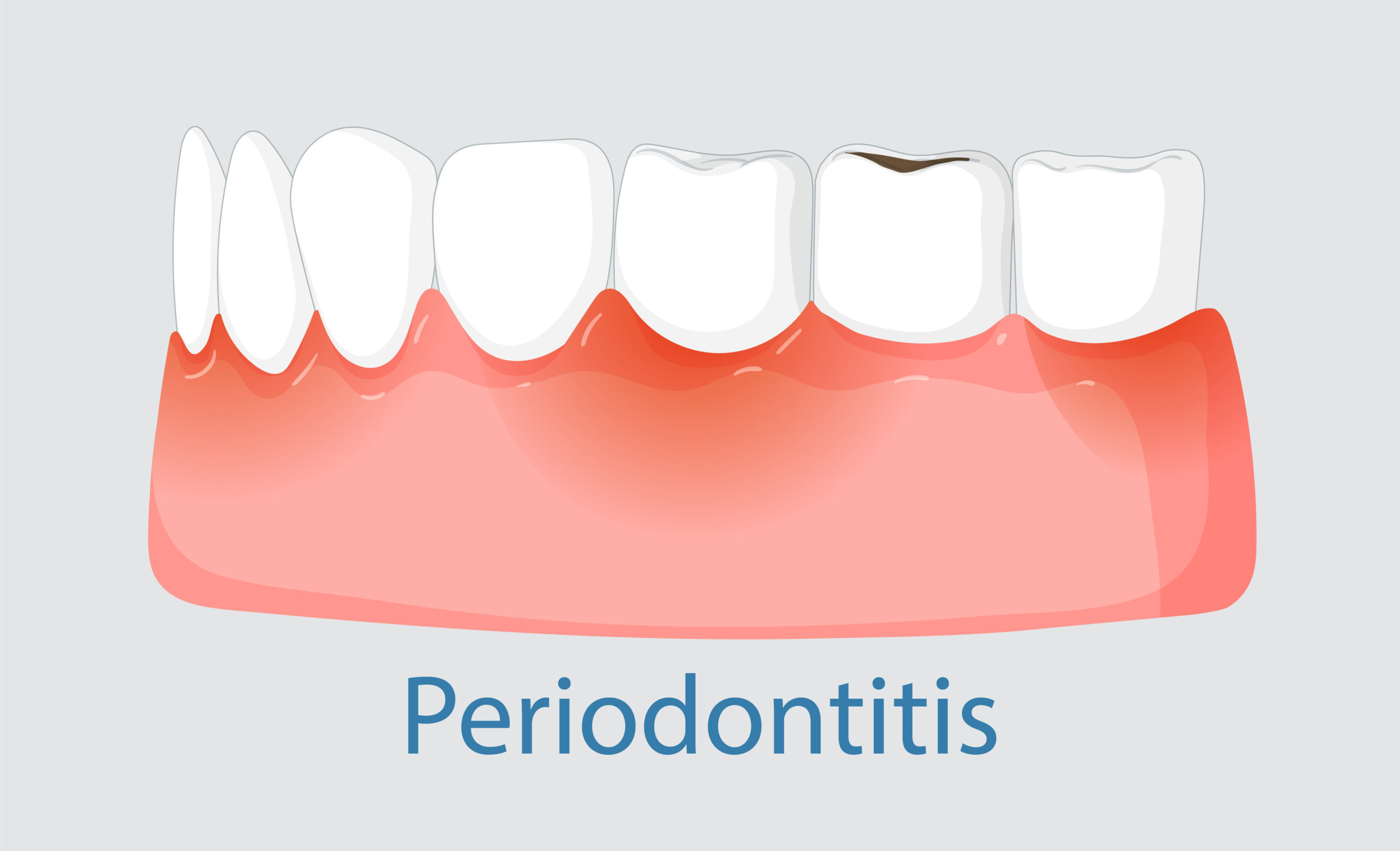
What Is Gum Disease (Periodontal Disease)?
Gum disease, also called periodontal disease, is a common mouth problem. It happens when the gums get swollen or infected. Often, it starts with mild redness or bleeding. Over time, it can harm the bone that holds your teeth. Early care is important for gum disease prevention. According to the CDC, almost half of adults over 30 have some form of gum disease. But, you can take steps every day to keep your gums healthy.
Common Symptoms and Early Warning Signs
It is important to spot gum disease early. That way, you can stop it from getting worse. Look for these signs:
If you notice any of these, see your dentist soon. Early action helps prevent bigger problems.
Main Causes and Risk Factors
Gum disease starts when sticky plaque builds up on your teeth. Plaque is a mix of germs and food bits. If you do not clean your teeth well, plaque can harden into tartar. Tartar is harder to remove and can lead to infection. Several things raise your risk, such as:
Knowing these risks helps you make better choices for your gum health.
Daily Oral Hygiene Tips to Prevent Gum Disease
Good daily care is key for how to prevent gum disease. Try these daily gum care tips:
For those in colder or drier areas, staying hydrated helps keep your mouth moist. This lowers the risk of dry mouth, which can lead to gum problems.
Lifestyle Habits That Support Gum Health
Besides brushing and flossing, healthy habits matter. Here are some ways to support your gums every day:
These steps help your body fight off infection and keep your gums strong.
When to See a Dentist
Even with good care, you should see your dentist at least twice a year. However, if you notice bleeding, swelling, or pain, make an appointment sooner. Early treatment can stop gum disease from getting worse. Your dentist can also give you tips for daily gum care and periodontal disease prevention.
Prevention Myths vs. Facts
There are many myths about gum disease prevention. Let’s clear up some common ones:
Knowing the facts helps you make smart choices for your gum health.
Conclusion: Take Action for Healthy Gums
In summary, daily care and healthy habits are the best ways to prevent gum disease. Remember to brush, floss, eat well, and see your dentist. If you have questions or notice any warning signs, consult a dental professional for personalized advice on gum disease prevention.