
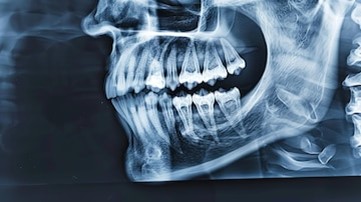
Understanding the Causes of a Fractured Jaw
A mandibular fracture can occur for various reasons. Commonly, it happens due to accidents, like car crashes or falls. In sports, athletes often face jaw fracture symptoms due to physical contact or impact with equipment or surfaces. Workers in high-contact jobs, like construction or law enforcement, are also at risk because of the nature of their work environments. Imagining a construction worker not wearing a helmet or a football player bracing for a high-speed tackle helps visualize how such injuries occur. These groups need to be especially vigilant about protecting their faces.
Even everyday activities can lead to chin fracture symptoms. For instance, tripping on the sidewalk or bumping into a hard surface might seem minor, but they can cause significant damage to the jaw. Understanding these scenarios helps in taking preventive measures. By identifying these high-risk situations and environments, individuals can better prepare themselves with protective gear like helmets or mouthguards.
Recognizing Early Symptoms of a Jaw Fracture
When you suspect a jaw injury, initially, you might feel intense pain. This pain often comes with swelling and bruising around the jaw. If you’ve been in an accident or similar event, observing any broken jaw swelling could indicate a possible fracture. Beyond physical appearance, there are other things to notice. If your bite feels off or your teeth don’t align as usual, these could be significant early signs and symptoms of a broken jaw.
It’s also common to experience numbness in areas of your face, a clear sign that you need medical advice. Pain while chewing or moving your jaw is another indicator of broken jaw bone symptoms. If there’s any difficulty in closing your jaws properly, that too signals a crack or break.
In conclusion, early intervention is key when you detect hairline fracture in jaw symptoms. If you have these symptoms, don’t delay. Seek professional medical help promptly. This way, you can avoid escalation into more severe medical concerns.
The highlighted areas in this image show the sections most vulnerable to fractures during impacts or accidents, aiding in the recognition of these early symptoms.
The Importance of Seeking Immediate Medical Attention
Once the fracture jaw symptoms appear, it’s essential to get a medical check-up quickly. Doing so can prevent the condition from worsening. Prompt professional evaluation helps to curb any potential future health issues.
The consequences of ignoring these signs can be serious. Without timely help, you might face infections or problems with jaw alignment. If severe pain or persistent swelling becomes unbearable, or if you find it difficult to breathe or eat, head to the hospital right away. These are emergency signs that need immediate medical intervention.
Diagnostic Procedures and Treatment Options
When you visit a doctor for fracture jaw symptoms, they will likely perform various diagnostic tests. X-rays and CT scans are common methods used to clearly view the bone. These images provide detailed insights into the severity and location of the fracture.
Treatment options depend on the fracture’s extent. Some cases only need non-surgical treatment, like wiring or bandaging the jaw to keep it stable. Patients receive guidance on maintaining a soft food diet during recovery.
This image illustrates a jaw X-ray with a visible fracture highlighted, helping to understand the diagnostic process visually.
In more severe cases, surgery might be necessary. The surgical process involves realigning the bone using small plates or screws. Thereafter, regular follow-up appointments ensure the jaw’s healing progresses as expected. Prompt treatment alleviates pain and encourages faster recovery.
Preventing Mandibular Injuries in Everyday Life
Preventive measures help reduce the risk of jaw fractures. For sports enthusiasts, wearing mouthguards can significantly prevent jaw fracture symptoms. Ensuring safety during high-contact sports by using helmets adds another protective layer.
At work, especially in high-risk environments like construction, keeping vigilant about safety can prevent chin fracture symptoms. Wearing proper headgear and following safety protocols is crucial.
The image above shows the importance of wearing helmets and mouthguards to minimize injury risks during sports and occupational activities.
At home, simple steps like being aware of potential hazards, using non-slip mats in the bathroom, and keeping floors clear of tripping obstacles significantly lower injury risks. These proactive steps ensure safety and prevent costly or painful injuries in the long run.
Applying these simple strategies can become habit-forming, leading to a safer lifestyle and shielding individuals from experiencing fracture jaw symptoms. Staying informed and cautious is the key to prevention.